
How Does a CGM Read Your Sugar?
A 5 mm tip under your skin sits in the fluid between your cells. An enzyme turns sugar into a tiny current, and Bluetooth sends the number to your phone.
Read the full teardown
How a Continuous Glucose Monitor Reads Your Sugar
A continuous glucose monitor (CGM) estimates the glucose in the fluid between your cells, not in your blood. In enzyme-based sensors such as the Dexcom G7 and FreeStyle Libre 3, a thin wire under the skin is coated with glucose oxidase, which reacts with glucose and makes a tiny electric current: more sugar, more current. Electronics on the patch turn that current into a number every 1 to 5 minutes on these models and send it to your phone by Bluetooth. Some sensors, such as the Eversense 365, use fluorescence instead of an enzyme.
Transcript
A patch on your arm tracks your sugar every few minutes, without a drop of blood. How? Let's cut it open. A needle slips a thin, flexible tip under your skin, then retracts. The tip is about 5 millimeters long. It sits in the fluid between your cells, not in blood. Sugar reaches it a few minutes after your blood. The tip is coated with an enzyme. When glucose meets it, the reaction sends electrons into the sensor. More sugar, more current. Tiny electronics turn that current into a glucose number. Bluetooth sends it to your phone. Many sensors last 10 to 15 days. Many can replace routine fingersticks. But if a reading doesn't match how you feel, check with a fingerstick. Just sugar, an enzyme, and a tiny current.
More Shorts
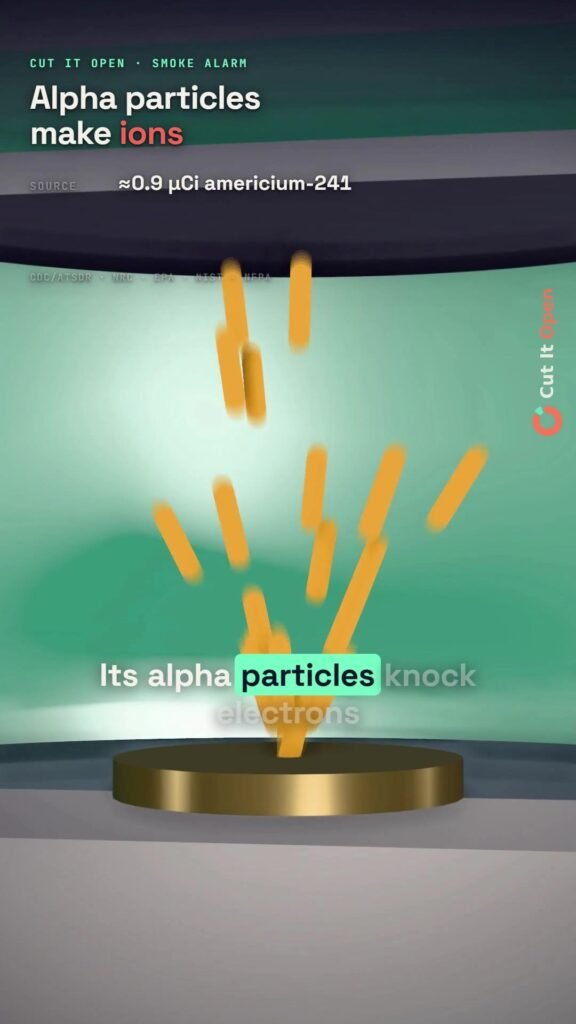 56 sec
Is There a Radioactive Speck on Your Ceiling?
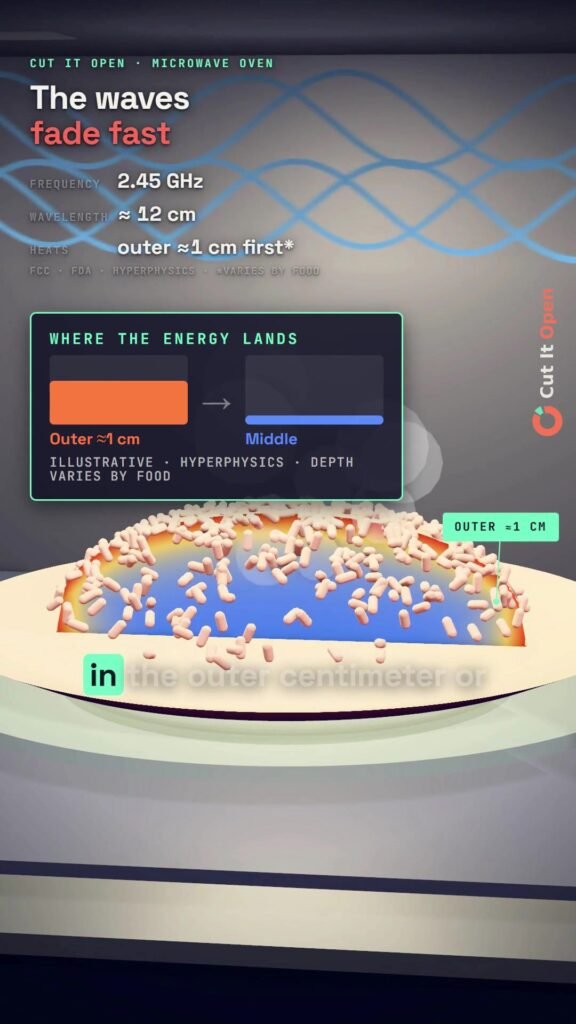 48 sec
Why Are Leftovers Cold in the Middle?
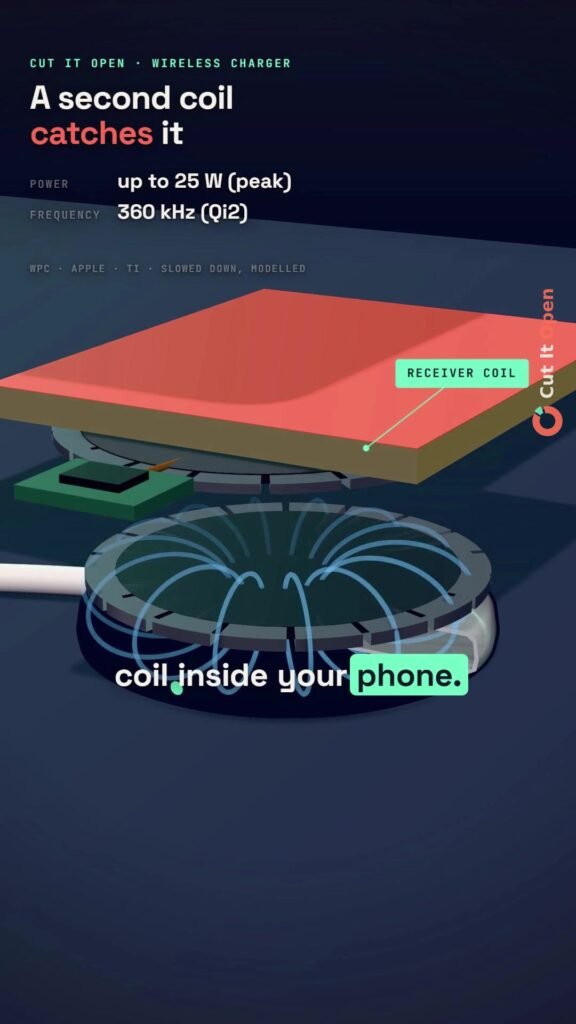 49 sec
How Does Your Phone Charge Without a Plug?
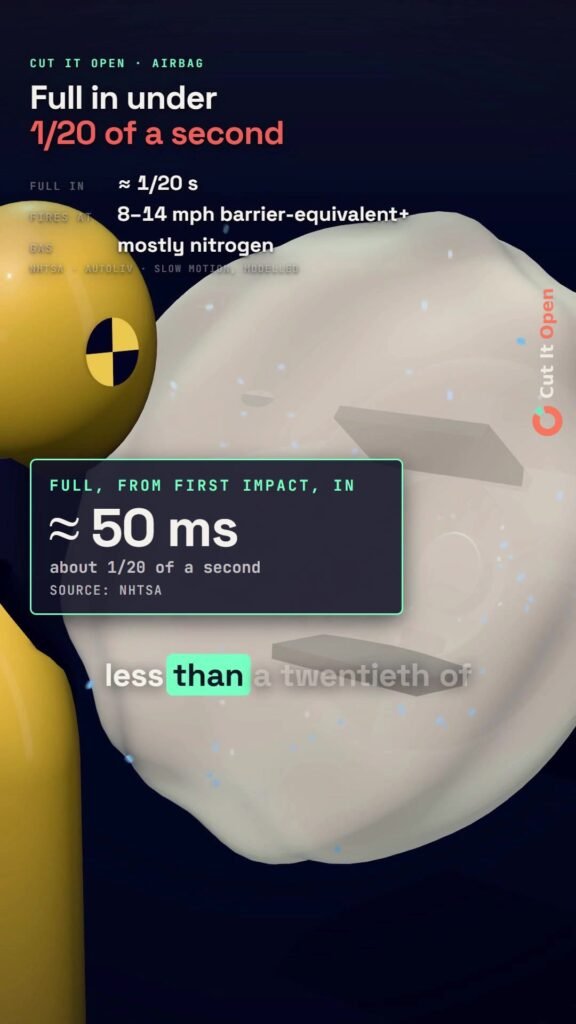 49 sec
How Does an Airbag Fill Faster Than a Blink?
 48 sec
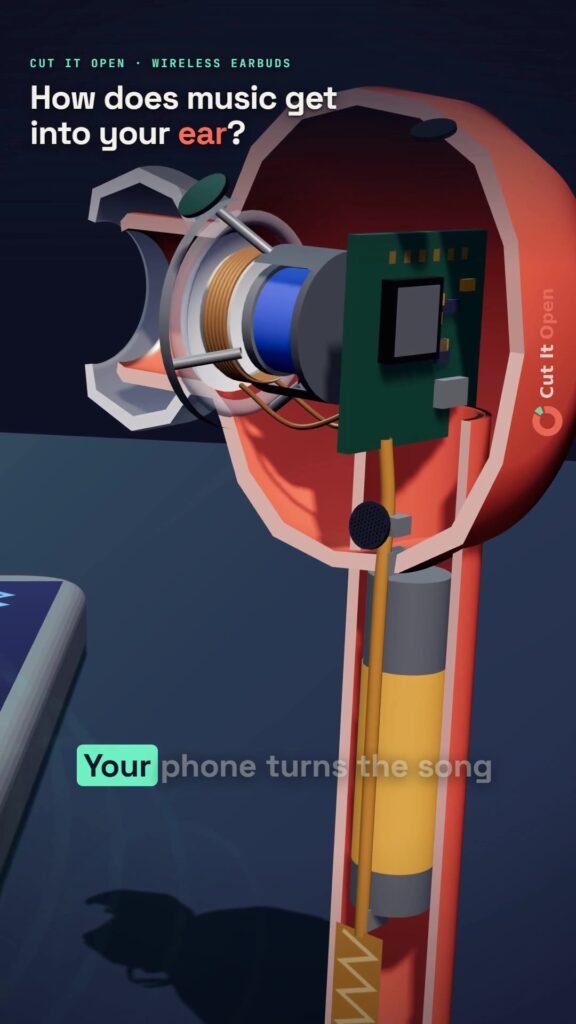
How Do Wireless Earbuds Work?
 45 sec
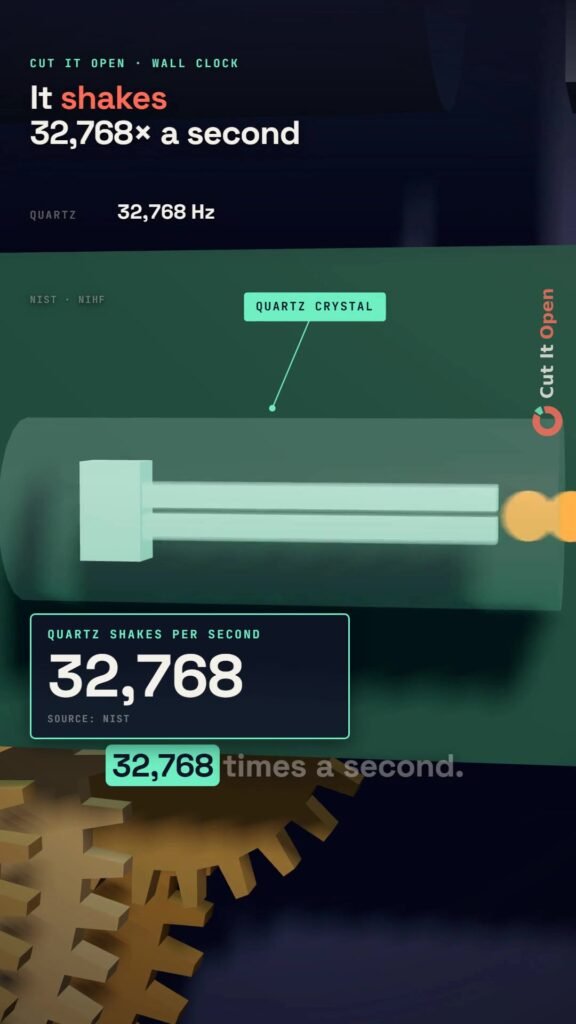
How Does a Clock Know the Time?
 24 sec
Fire in One Click
 24 sec
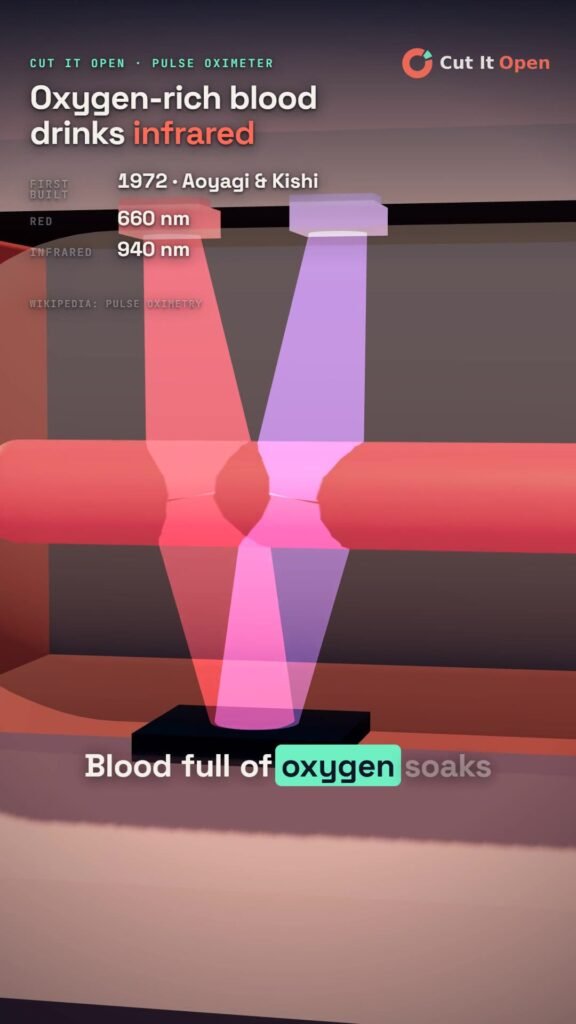
Light Through Your Fingertip
 25 sec
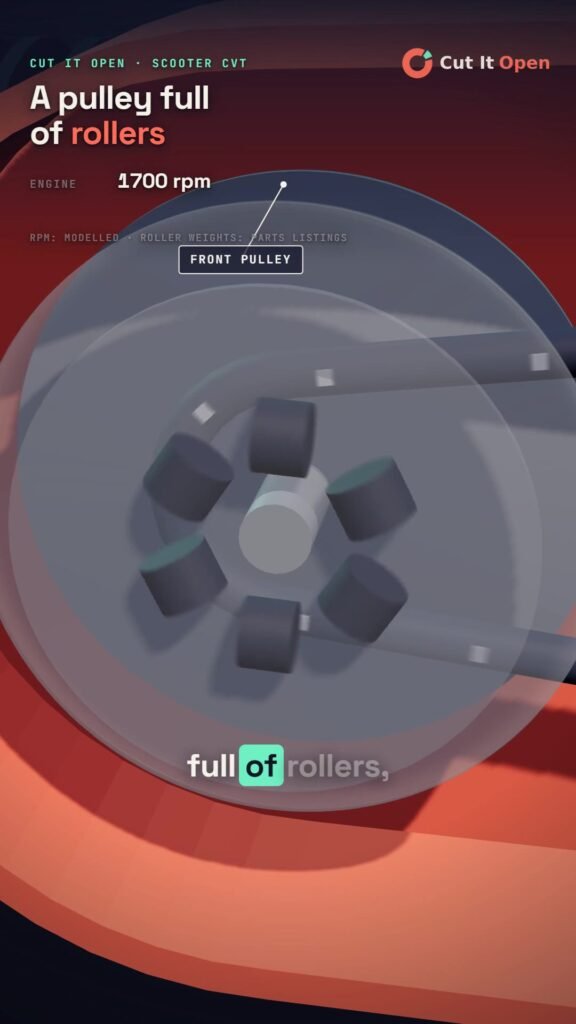
Spinning Magnets Into Electricity
 23 sec