
How Does an Airbag Fill Faster Than a Blink?
A crash sensor feels the car slow, an igniter lights solid fuel, and the gas fills a nylon bag in about 1/20 of a second.
Read the full teardown
How an Airbag Inflates Faster Than You Can Blink
When a crash sensor detects a sudden, severe slowdown, the airbag’s control unit sends a signal to an inflator in the steering wheel hub. An igniter sets off a solid propellant that burns into a harmless gas, mostly nitrogen in many designs, and the gas bursts the bag out through the cover. NHTSA says the bag inflates in less than 1/20 of a second, and the bag starts deflating through vents right away.
Transcript
Your airbag fills faster than you can blink. How? Let's cut it open. Behind the wheel's cover, a nylon bag lies folded tight. A sensor feels how hard the car slows. It's tuned for crashes like hitting a wall at 8 to 14 miles per hour, or faster. A signal reaches the star: the inflator, a small metal can. Inside, an igniter lights pellets of solid fuel. They burn into a harmless gas, mostly nitrogen. It tears the cover open along a built-in seam. The bag is full in less than a twentieth of a second. As you sink in, gas escapes through vents. So it catches you, then goes soft. Wear your seat belt. Sit about 10 inches back. Kids under 13 ride in the back. All before you can blink.
More Shorts
 56 sec
Is There a Radioactive Speck on Your Ceiling?
 48 sec
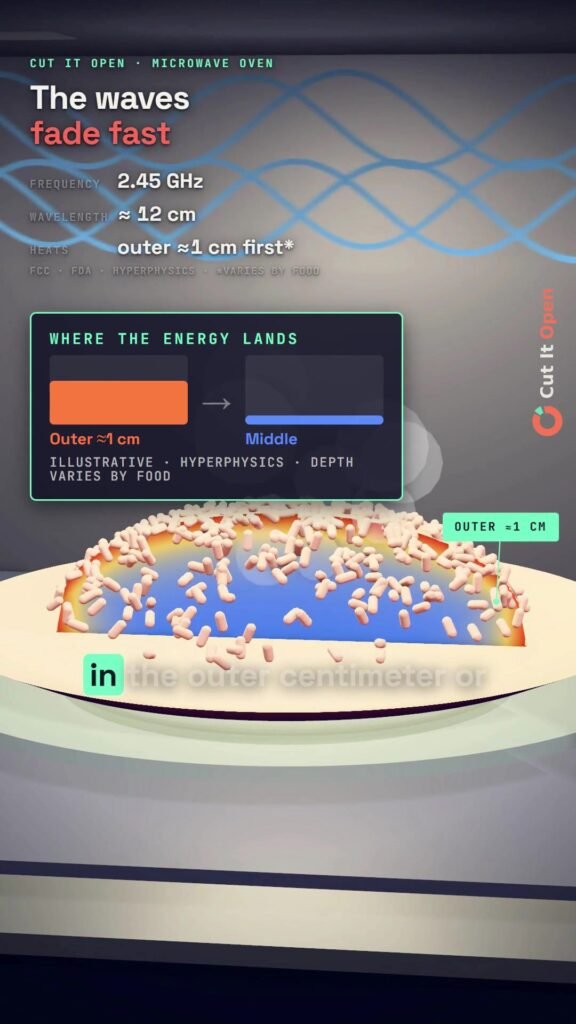
Why Are Leftovers Cold in the Middle?
 49 sec
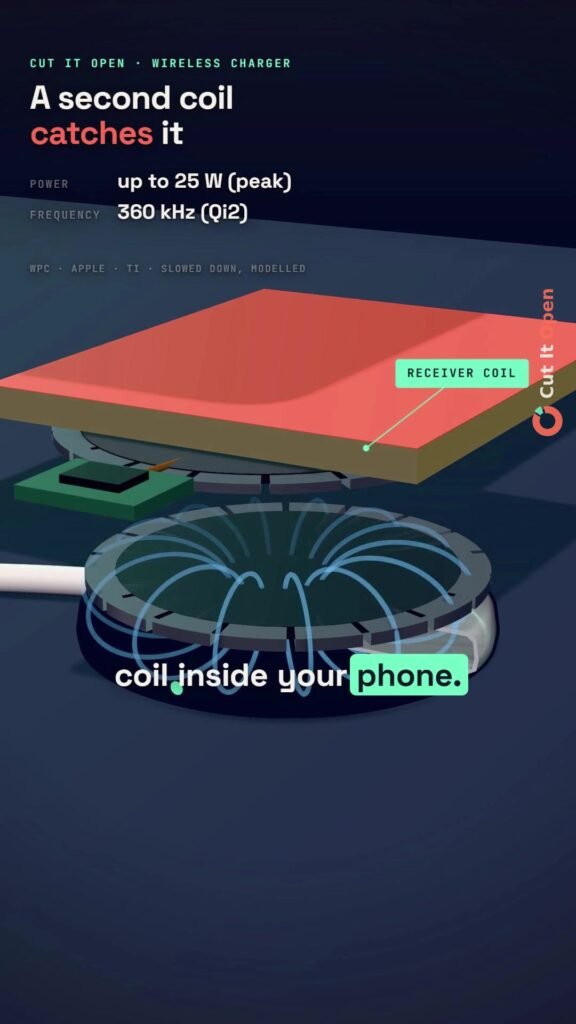
How Does Your Phone Charge Without a Plug?
 48 sec
How Does a CGM Read Your Sugar?
 48 sec
How Do Wireless Earbuds Work?
 45 sec
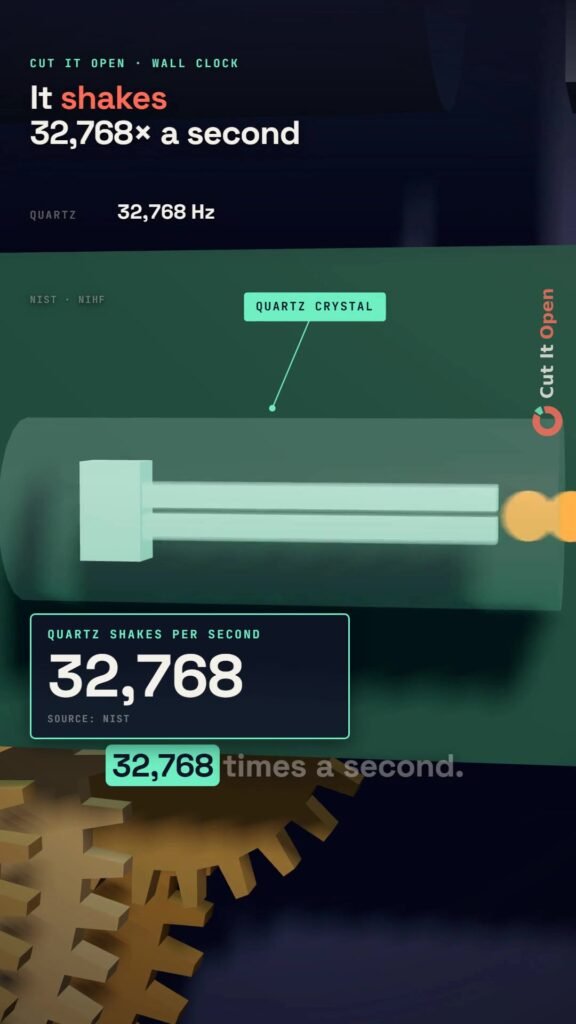
How Does a Clock Know the Time?
 24 sec
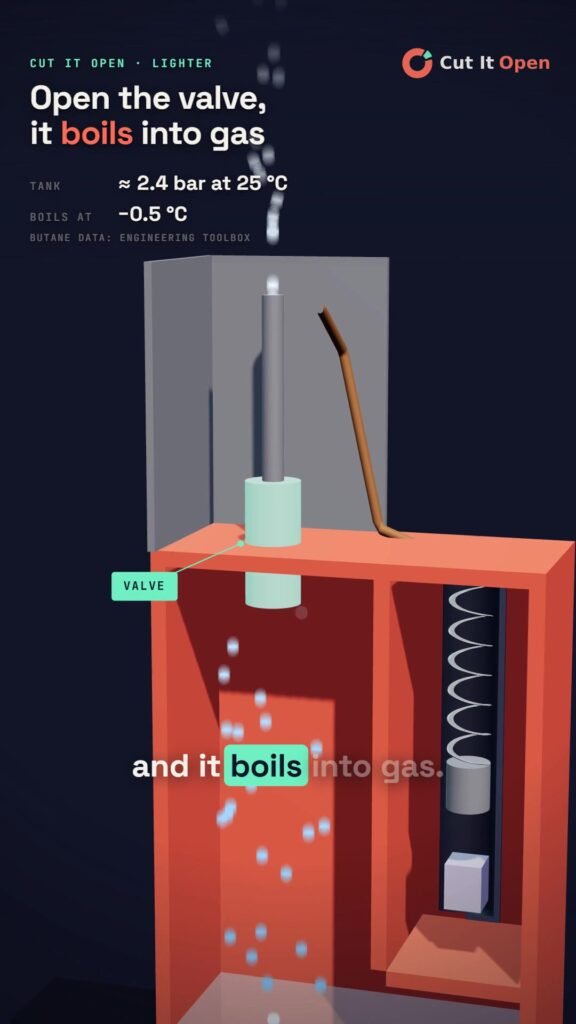
Fire in One Click
 24 sec
Light Through Your Fingertip
 25 sec
Spinning Magnets Into Electricity
 23 sec